Africa Safari Guide: South Africa vs. East Africa vs. Botswana
By Lindsay Deevy, Luxury Travel Advisor
If you've been dreaming about an African safari, chances are you've already gone down the Google rabbit hole and come out more confused than when you started. South Africa? Kenya? Tanzania? Botswana? What's the difference, and which one is actually right for you? How much does a safari cost? When is the best time to go on safari?
As a luxury travel advisor specializing in Africa and safari planning, this is one of the questions I get asked most. They're all incredible destinations, but vary significantly and they offer very different experiences. The right choice comes down to what you're looking for: your travel style, your budget, and whether this is your first safari or your fifth.
Here’s the breakdown.
South Africa: The Best of Everything
If I had to describe South Africa in one sentence: it's the destination that does it all. Big 5 safari, iconic cities, dramatic coastlines, and one of the greatest wine regions on earth, all in one country. It's the only place in Africa where I can build a 14-day itinerary and my clients come home wishing they could have stayed longer.
For first-time visitors to Africa who want more than just wildlife, or for anyone who wants a real mix of experiences, South Africa is almost always my top recommendation.
What Makes South Africa Special
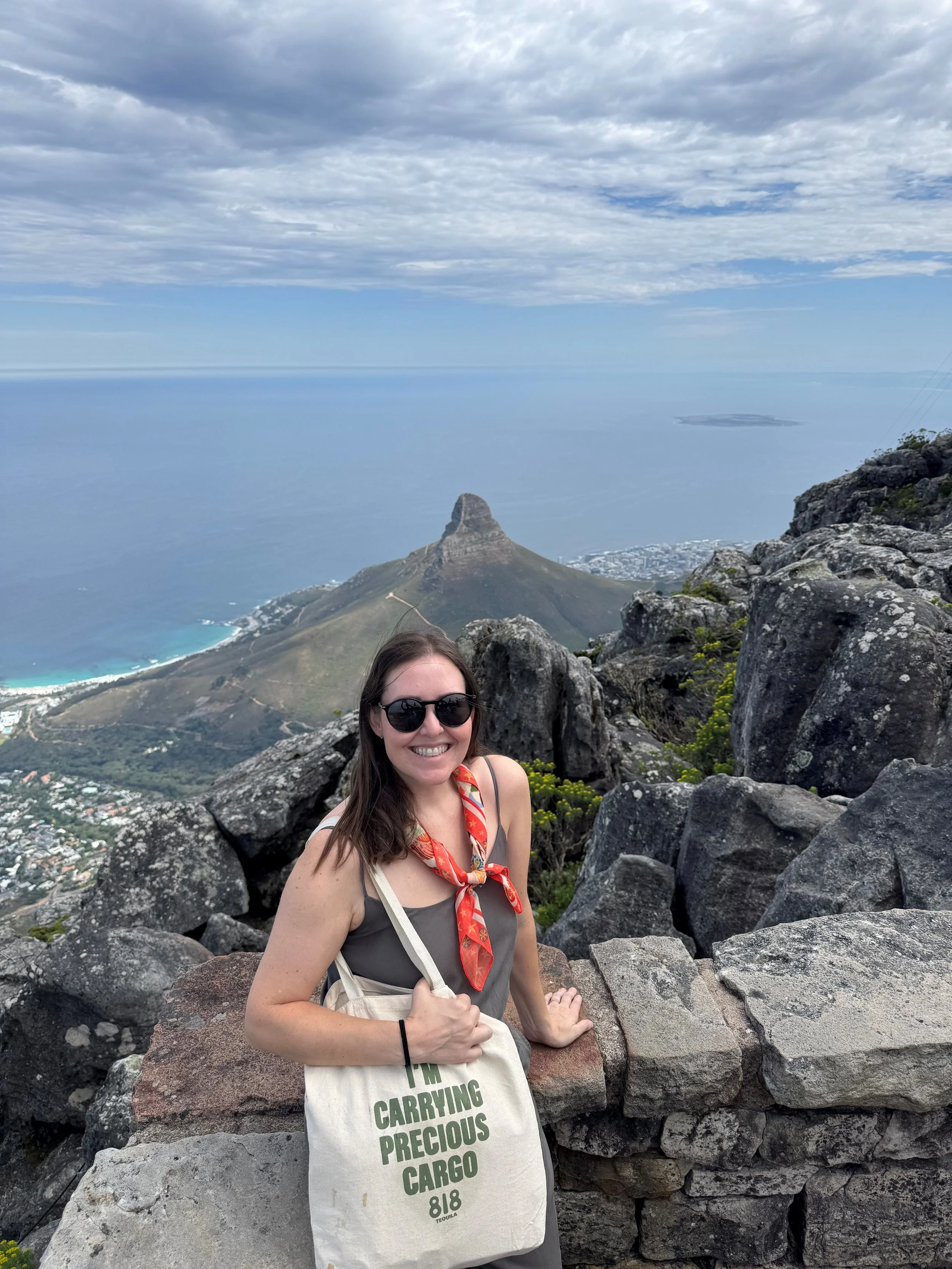
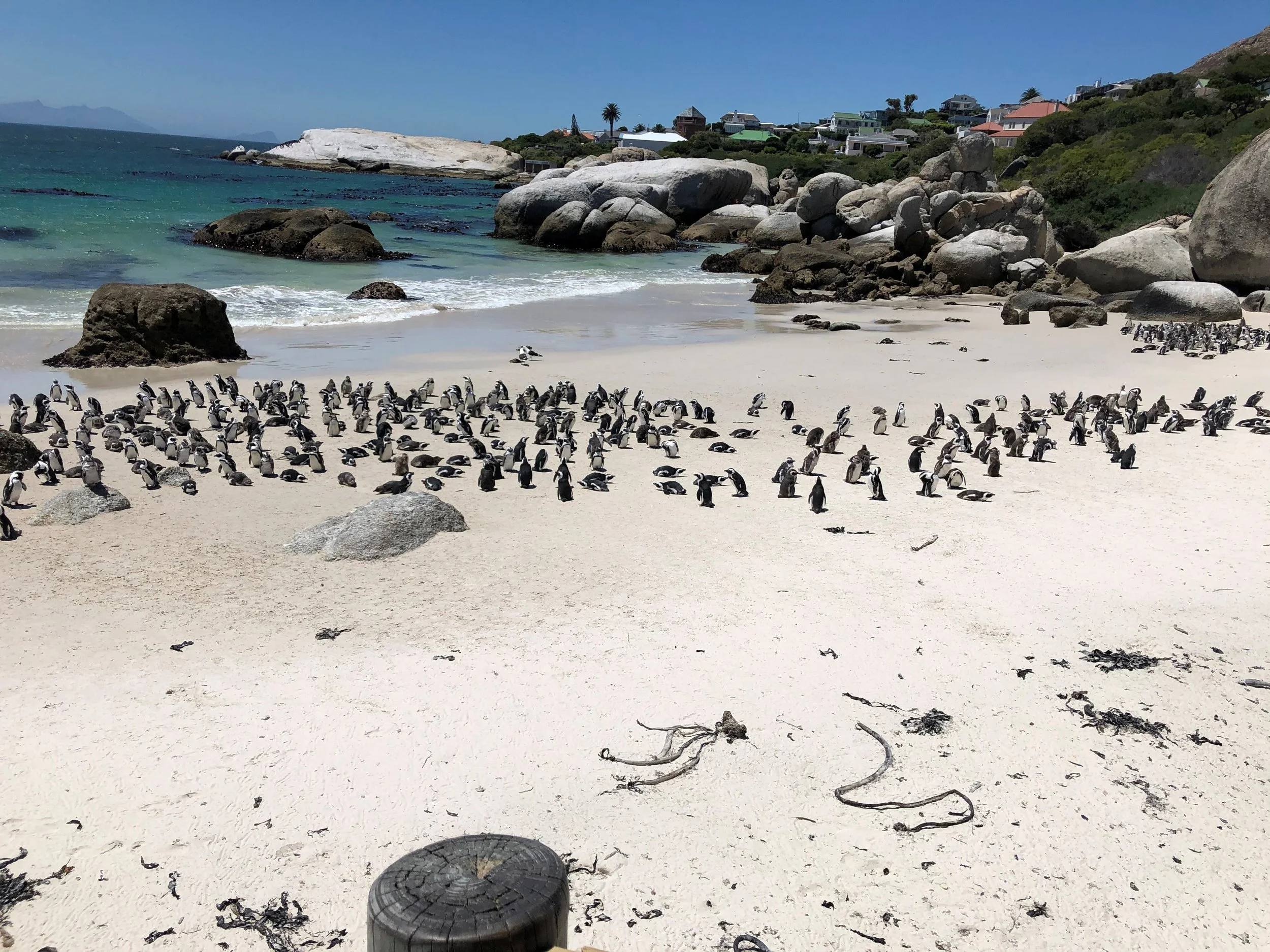
Variety: Safari, wine country, beaches, cities, whale watching, cultural history, shopping, spa time, and more. Cape Town ranks among the best cities in the world, and it earns it. It’s also very family friendly.
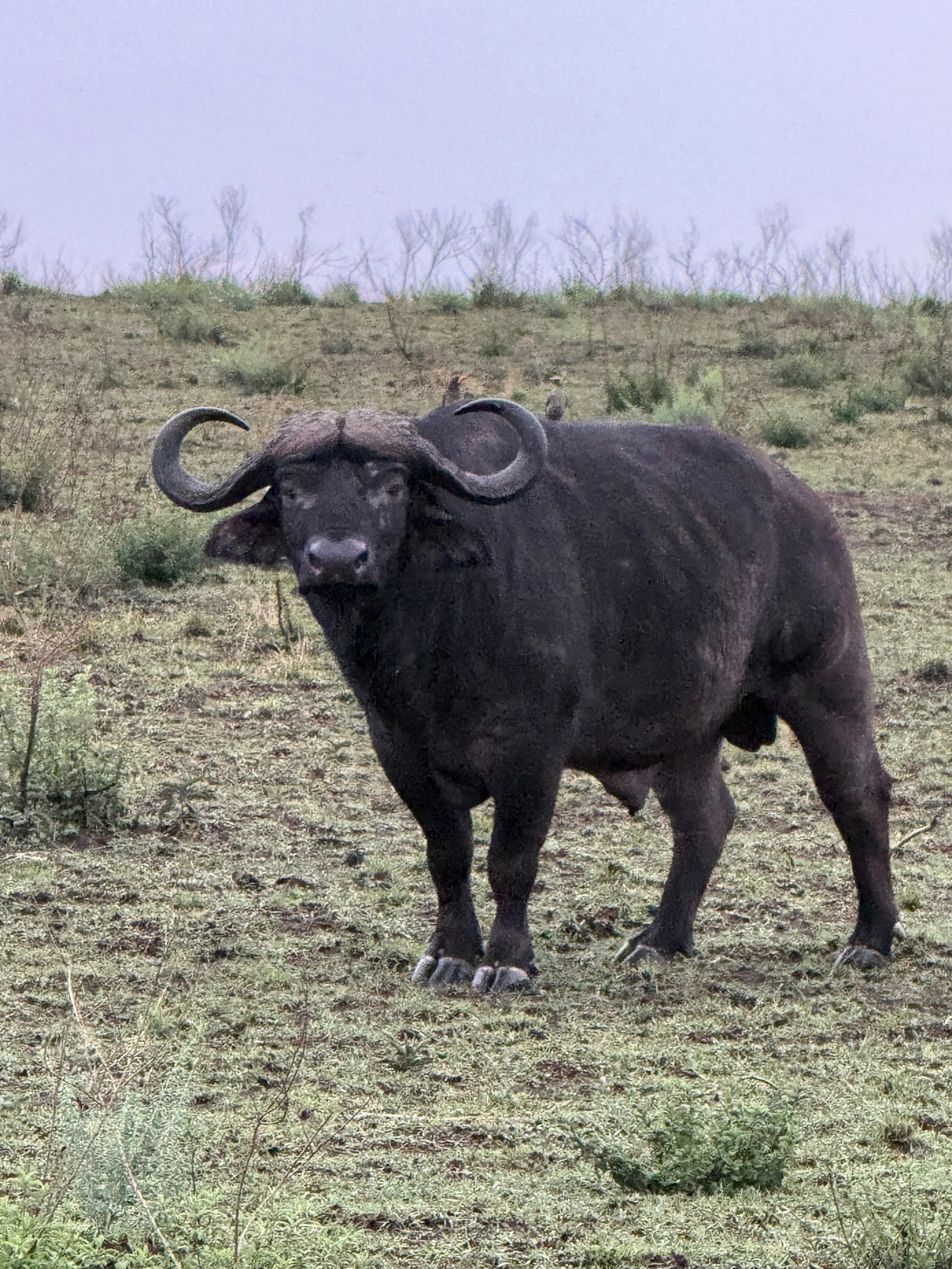
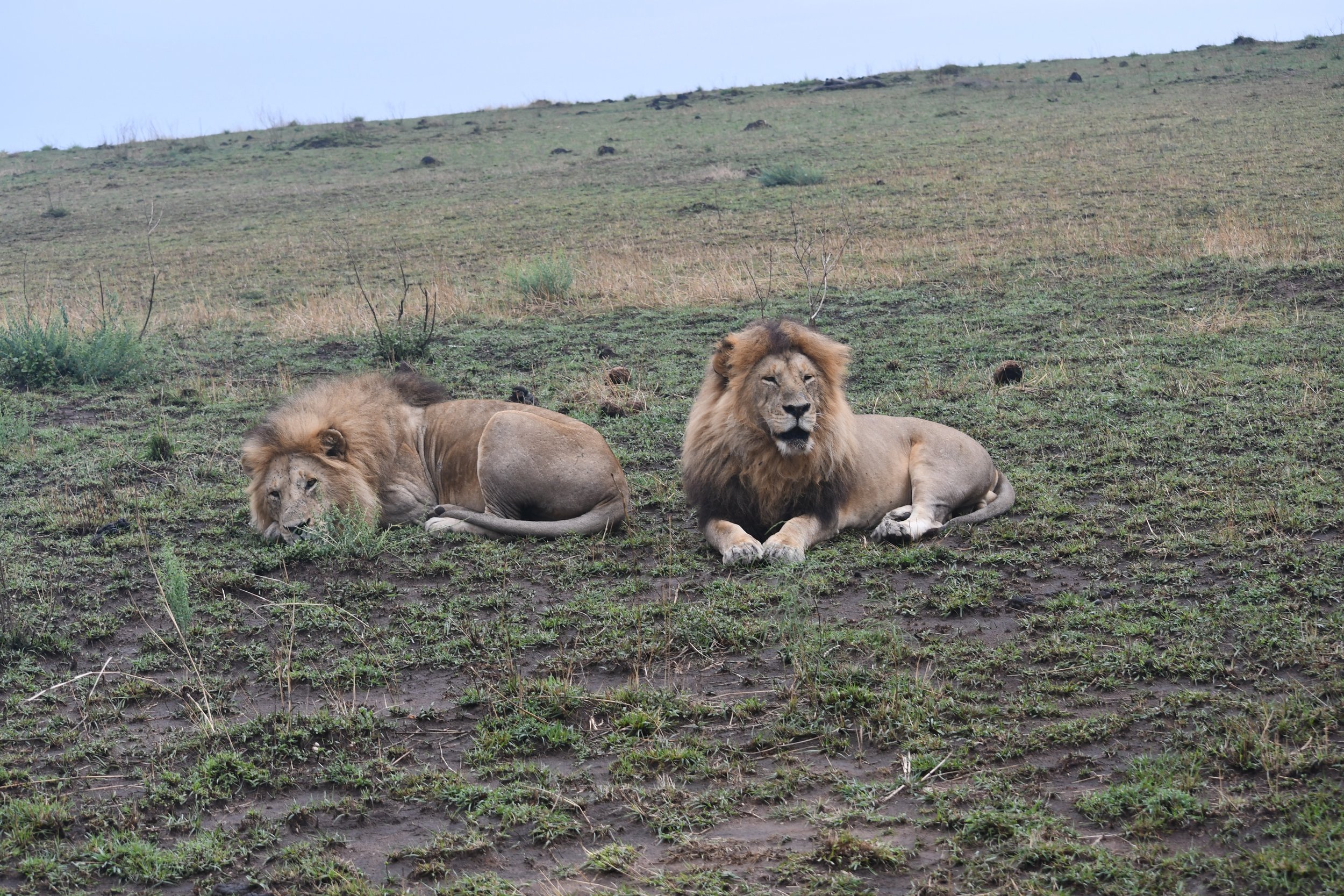
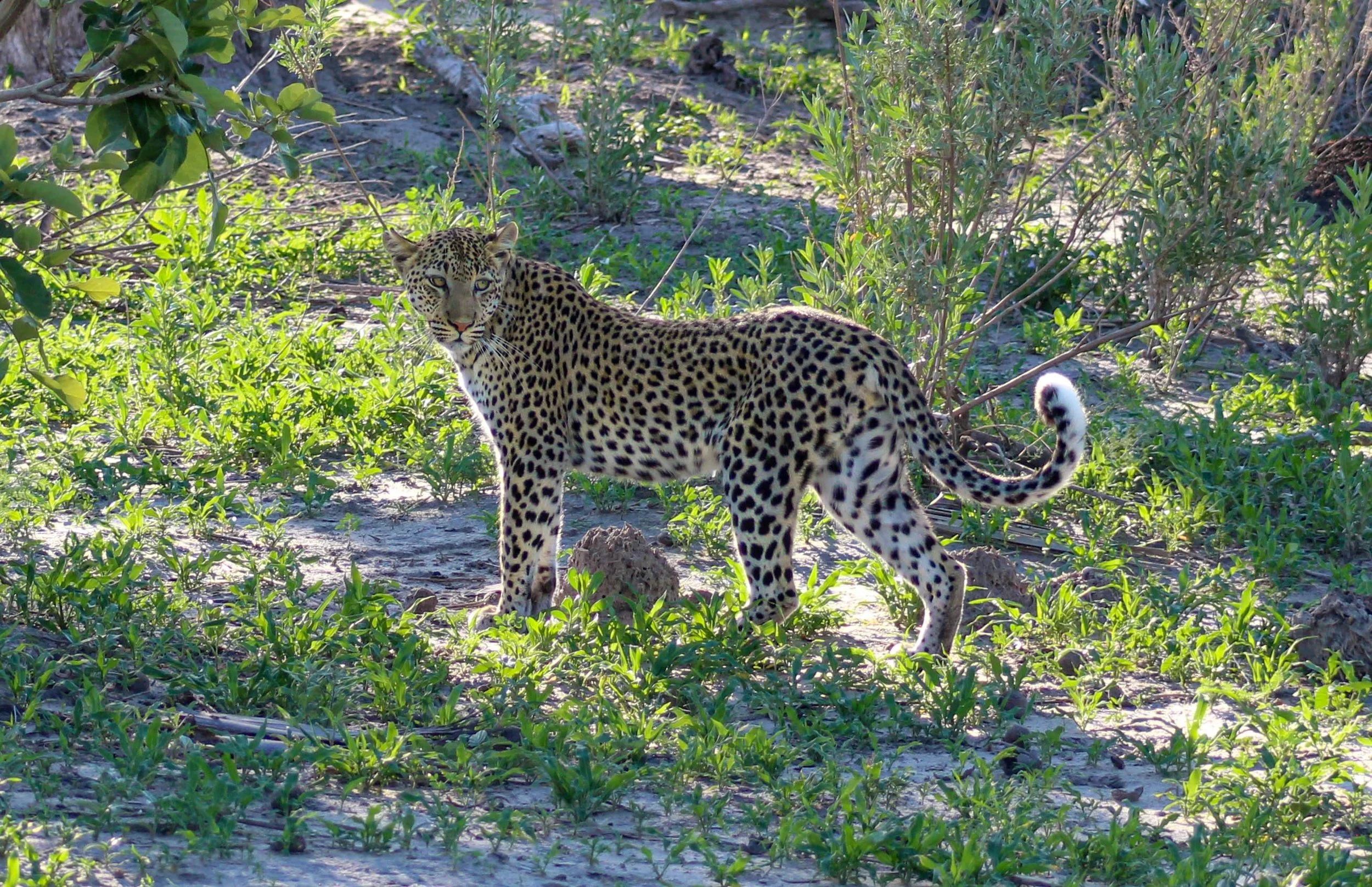
Up-close wildlife: Incredible Big 5 sightings.Private game reserves like the Sabi Sands offer some of the best close-range animal experiences anywhere in Africa. Vehicles go off-road, which means you can get remarkably close. The leopard sightings in Sabi Sands are hard to beat anywhere on the continent.
Malaria-free options: Reserves like Madikwe and properties in the Eastern Cape are malaria-free, which makes South Africa a great option for families with young children or anyone who would rather skip the malaria tablets. Easy option for safari with kids.
Range of budgets: South Africa has a wide spread of accommodation options, from ultra-luxury private lodges to solid mid-range properties. You can find classic tented style camps as well as more modern permanent lodges.
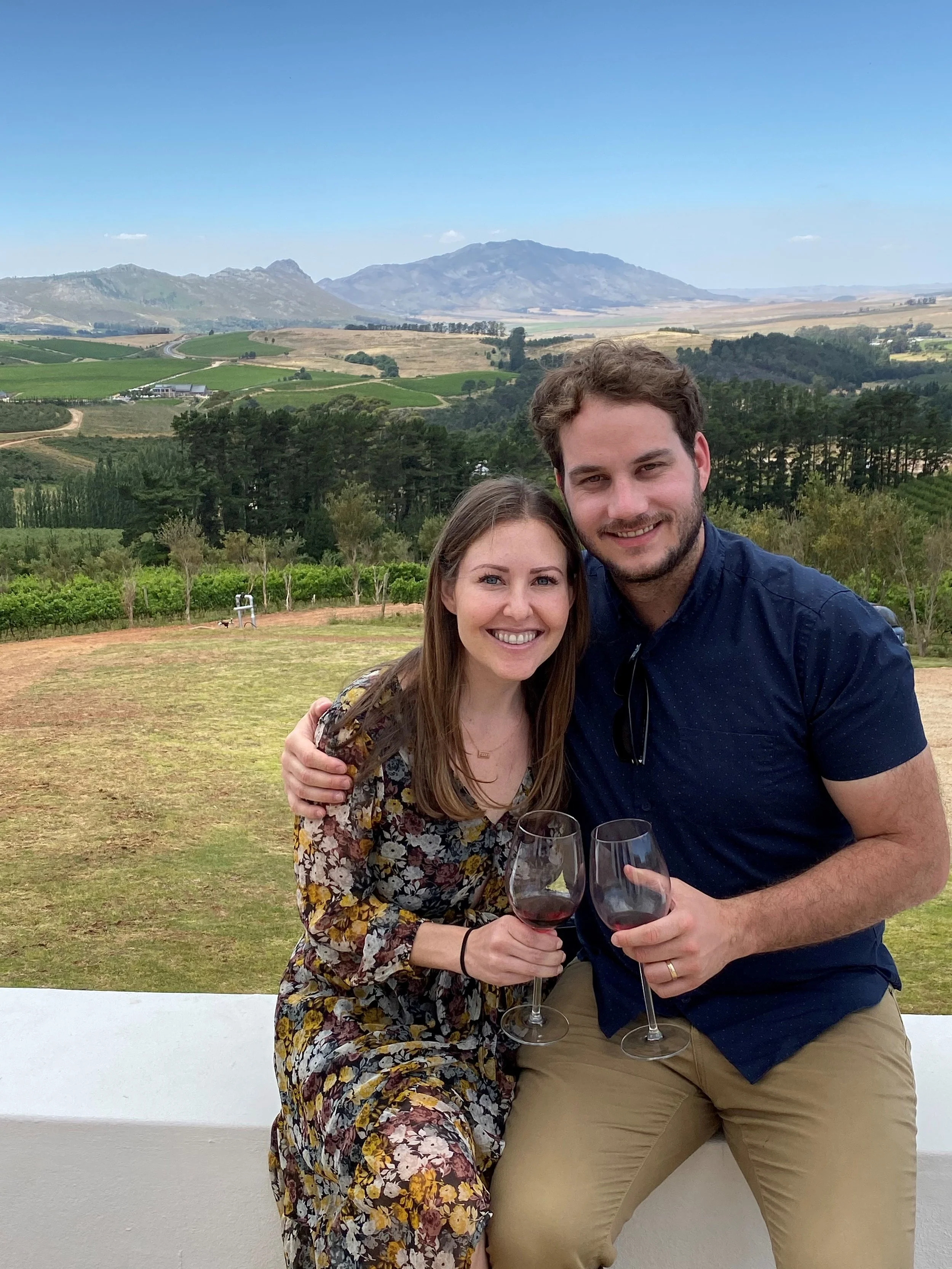
Food and wine: Cape Town is known for its amazing dining scene, and many restaurants come at a more approachable price point compared to similar offerings in the US or Europe. The Cape Winelands (Stellenbosch and Franschhoek especially) are outstanding. Great restaurants, award-winning estates, and scenery that makes every lunch feel like an occasion.
A Few Things to Know
Wildlife density is lower than the open plains of East Africa. You won't see sweeping herds of wildebeest, but what you trade in volume you gain in access and intimacy.
There is no Great Migration here. That's an East Africa experience.
Popular public parks like Kruger get busy during peak months. If exclusivity matters, private reserves are the way to go.
Dry season (May through September) is best for game viewing. Cape Town and the Winelands are at their best October through April. All in all, it is very much a year round destination.
Best Pairings: South Africa works well with Botswana for a full southern Africa safari trip, or with Victoria Falls as a natural add-on. Mozambique's beaches round it out nicely.
East Africa: Where the Wild Things Are
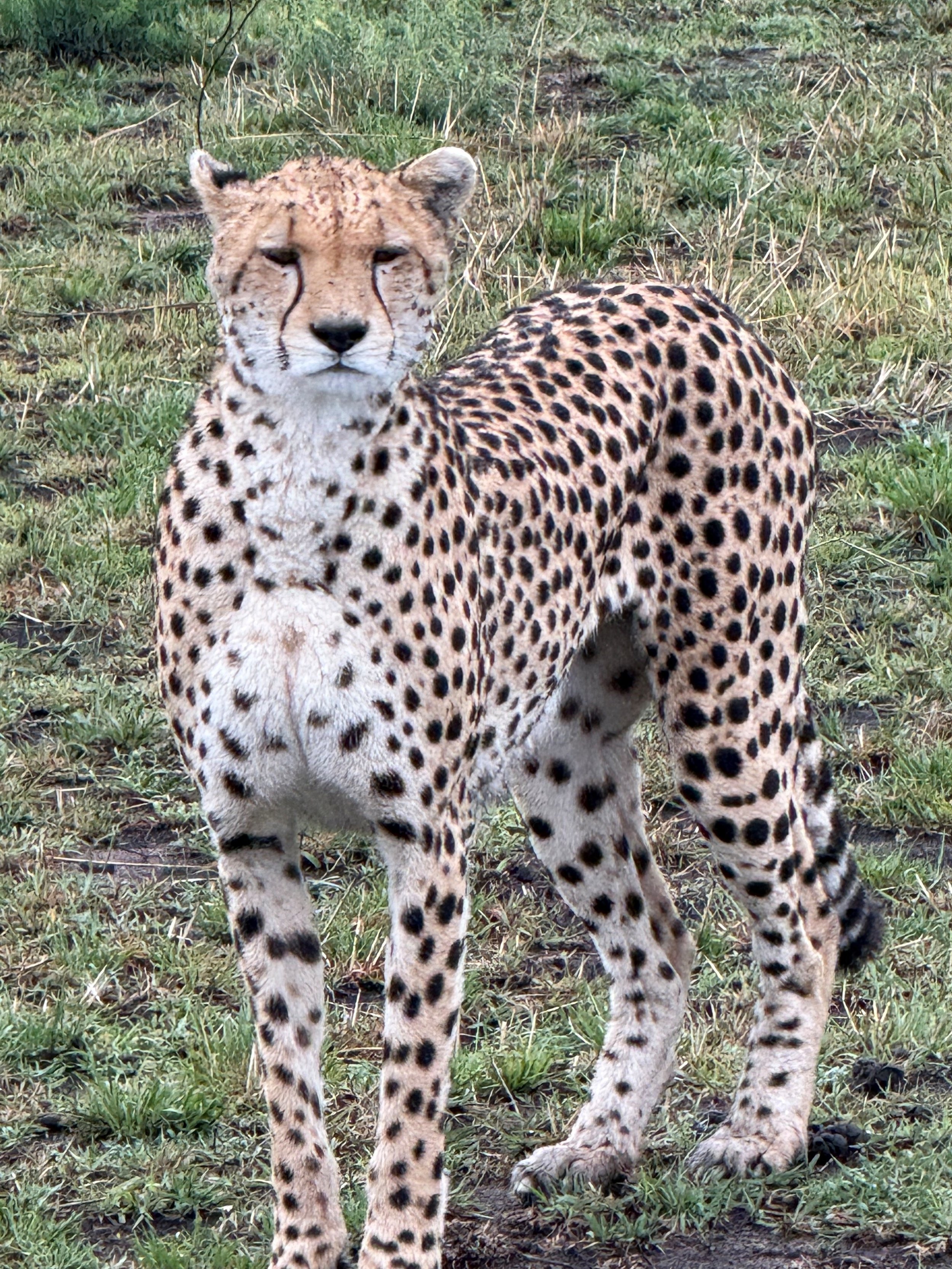
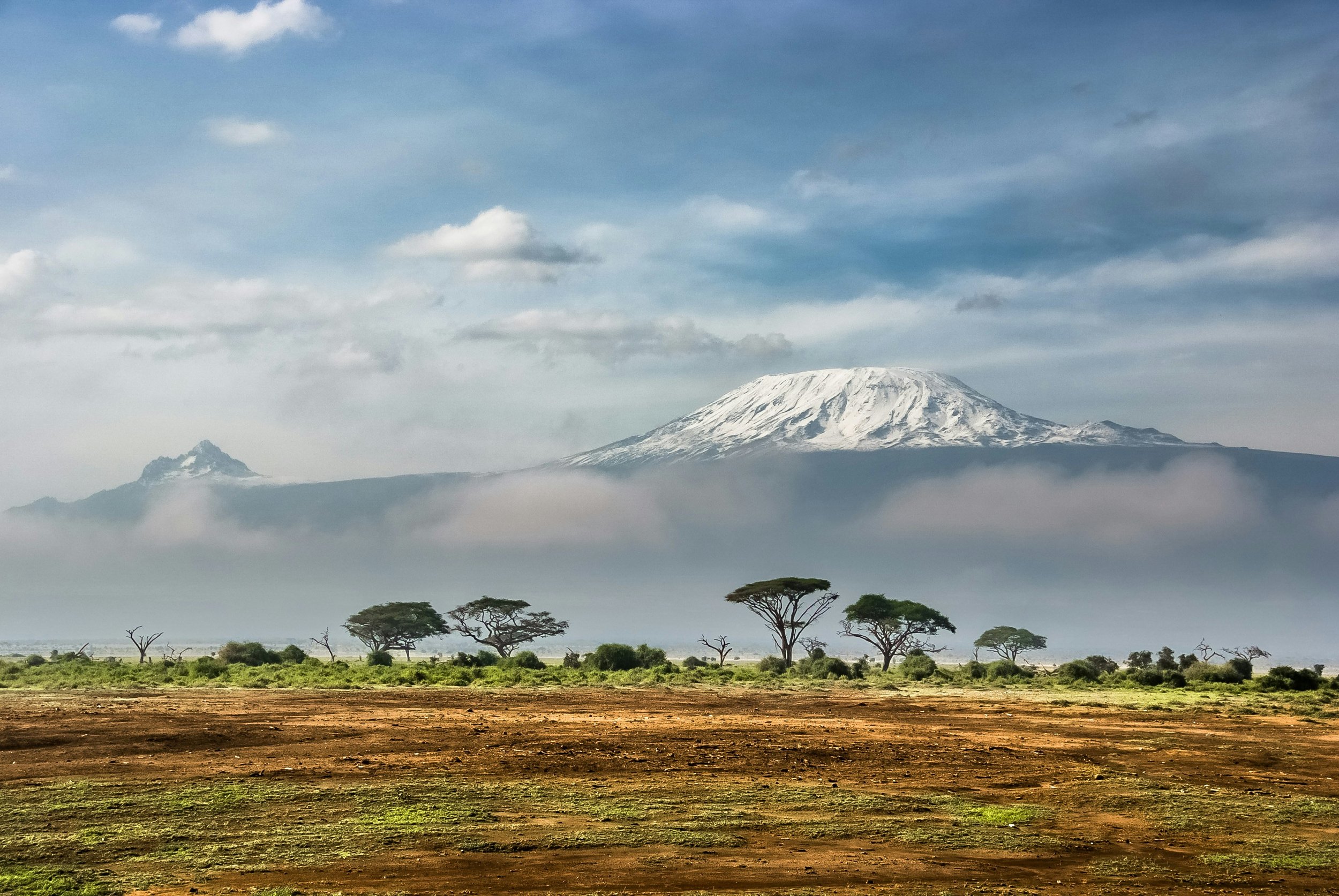
East Africa is where the classic safari dream lives. Kenya and Tanzania are home to the Masai Mara, the Serengeti, Ngorongoro Crater, and (for those who time it right) the Great Migration. If wildlife is the main goal, this is your destination.
I recommend East Africa most for clients whose focus is squarely on animals. It's not a destination with a lot of variety built in beyond the bush, but what it delivers in that department is hard to match.
What Makes East Africa Special
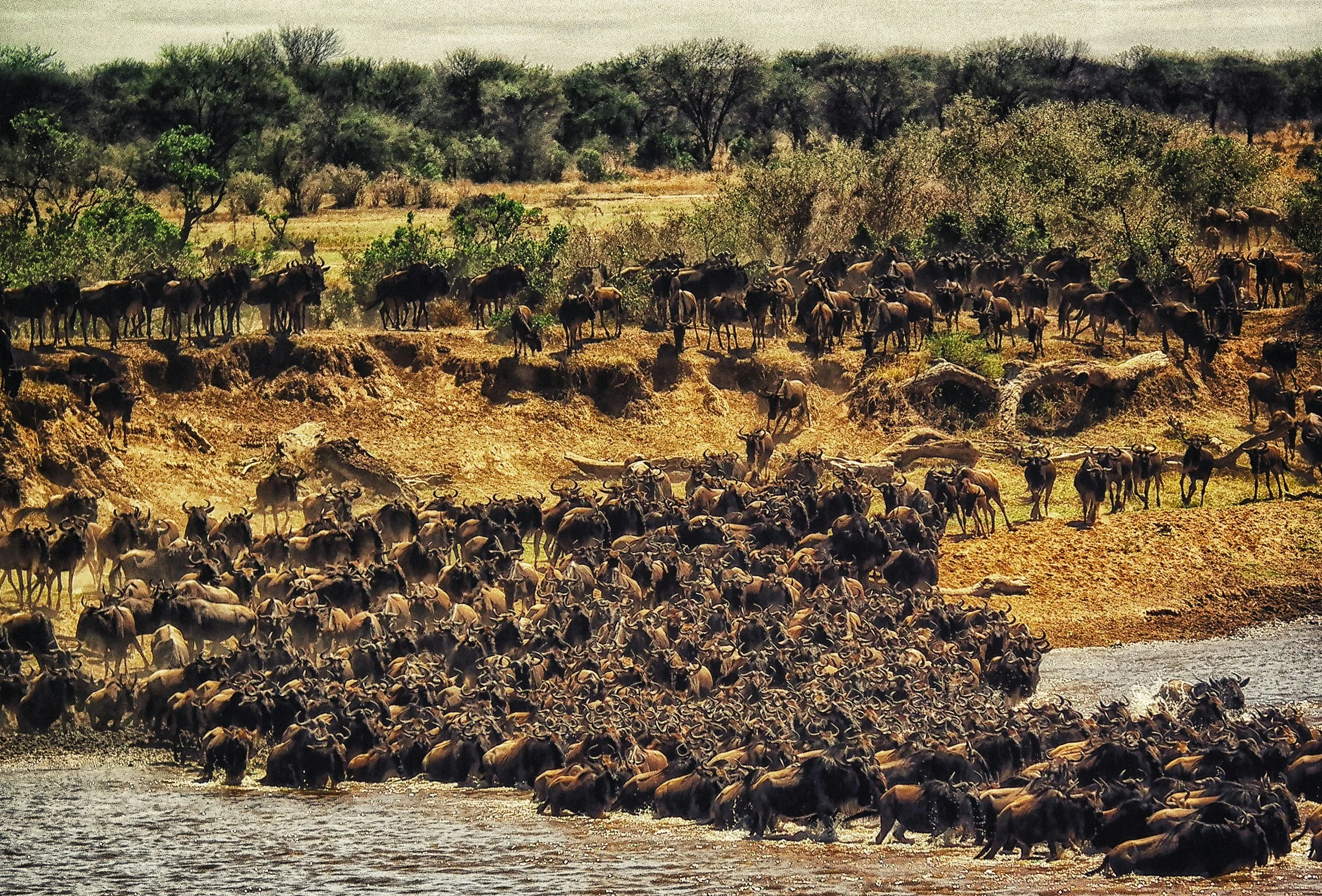
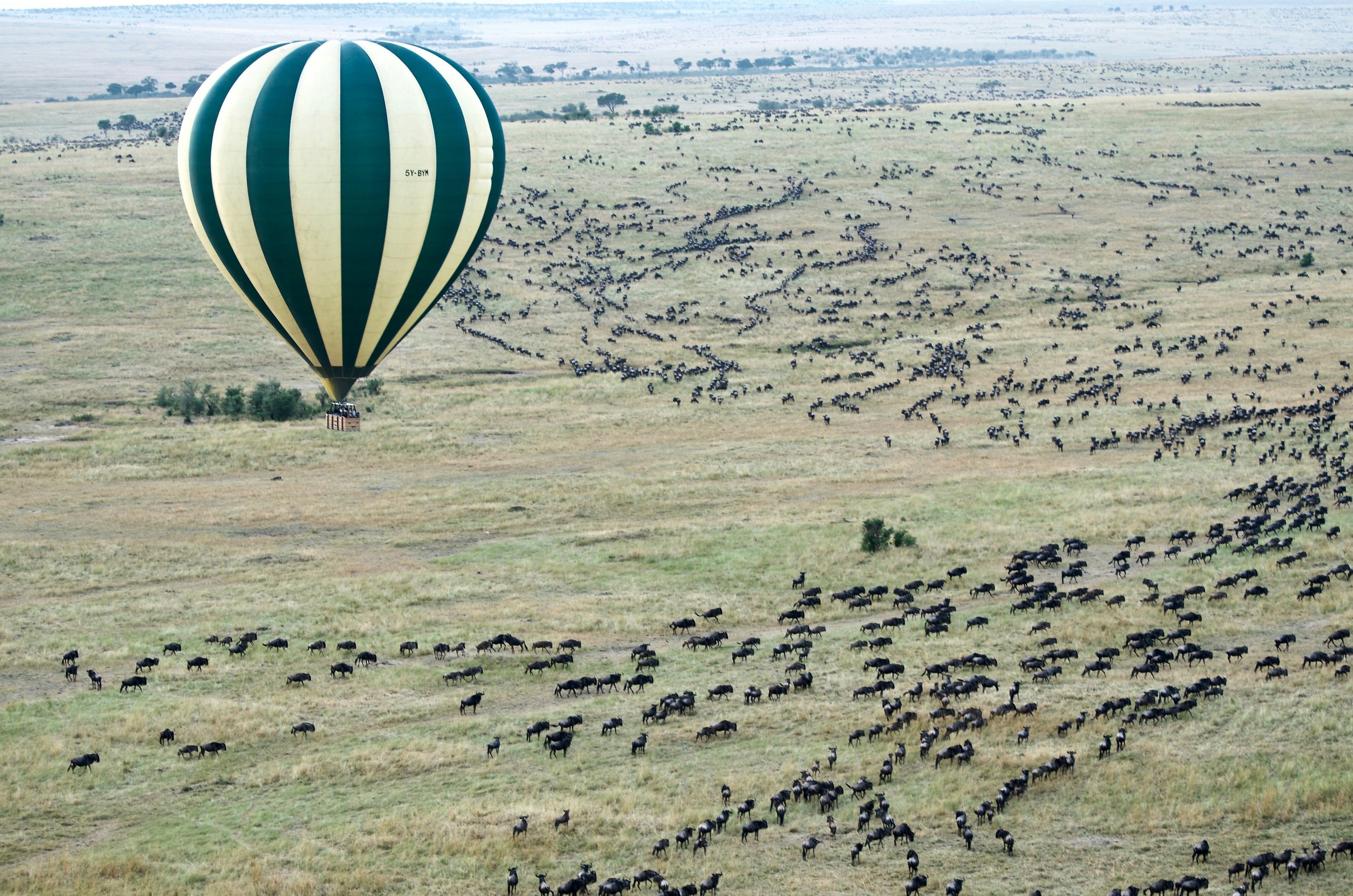
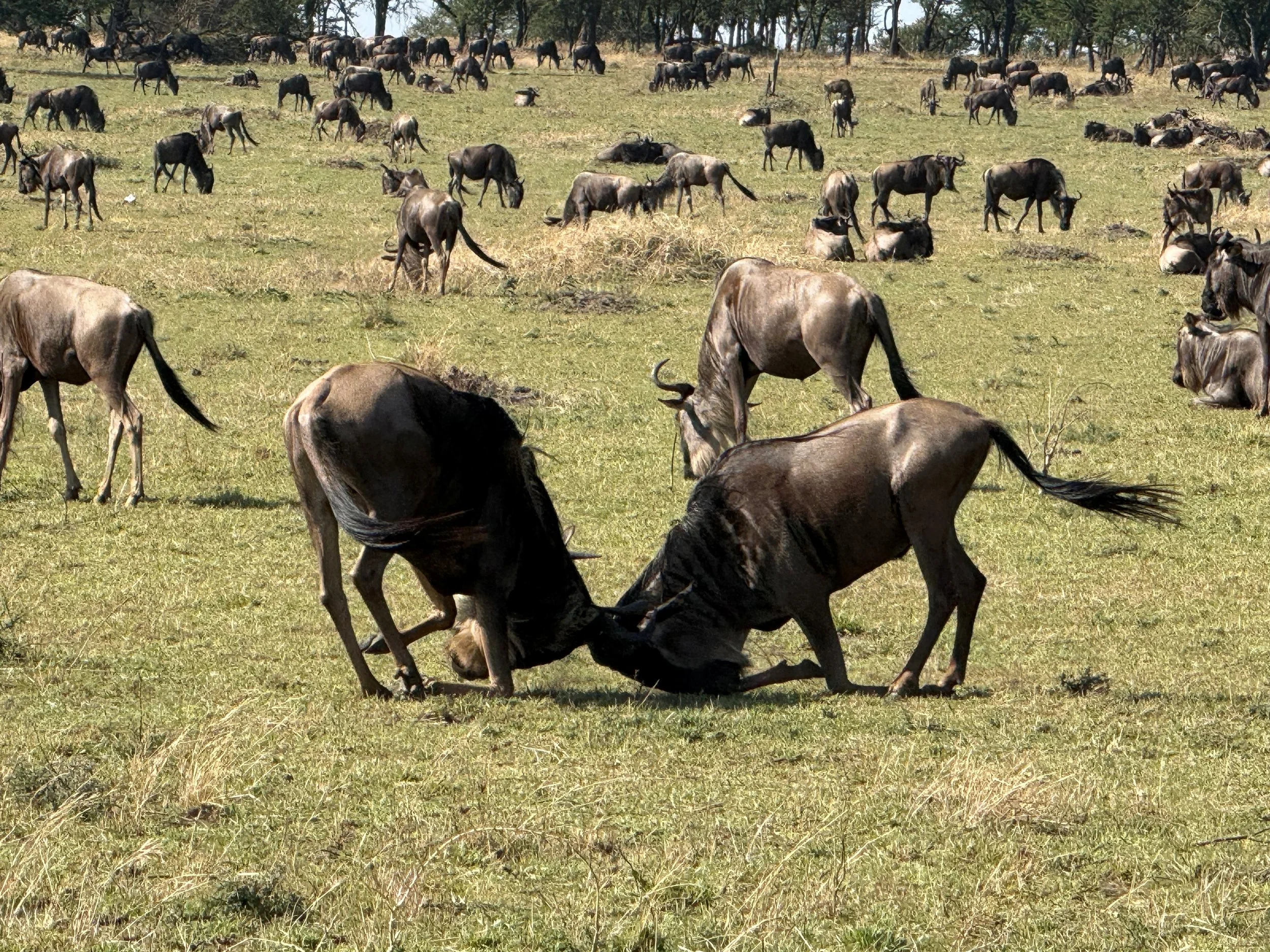
The Great Migration: Over 1.5 million wildebeest and hundreds of thousands of zebra move in a continuous circuit across Kenya and Tanzania, following the green grass and rains. The Serengeti/Mara river crossings, where massive herds plunge into crocodile-filled water, are something you have to see to believe. Nothing is guaranteed though. These are wild animals on their own schedule, and that unpredictability is part of what makes it so extraordinary.
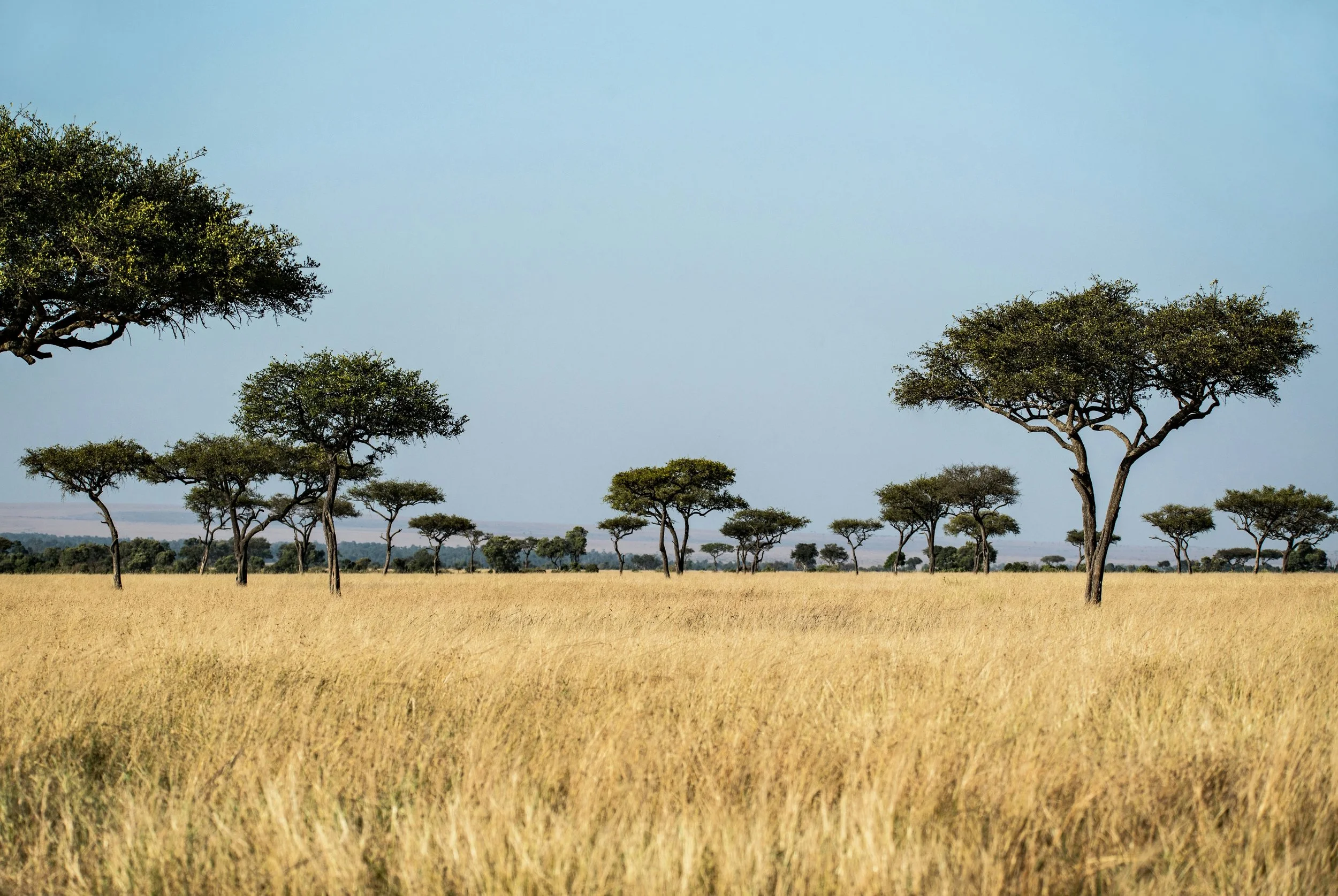
Volume of wildlife: The scale of what you see on the Serengeti plains is hard to put into words. Vast herds, predator activity, landscapes that go on for what seems like forever.
Hot air balloon safaris: Floating over the Serengeti at sunrise never gets old. If it's available during your trip, do it.
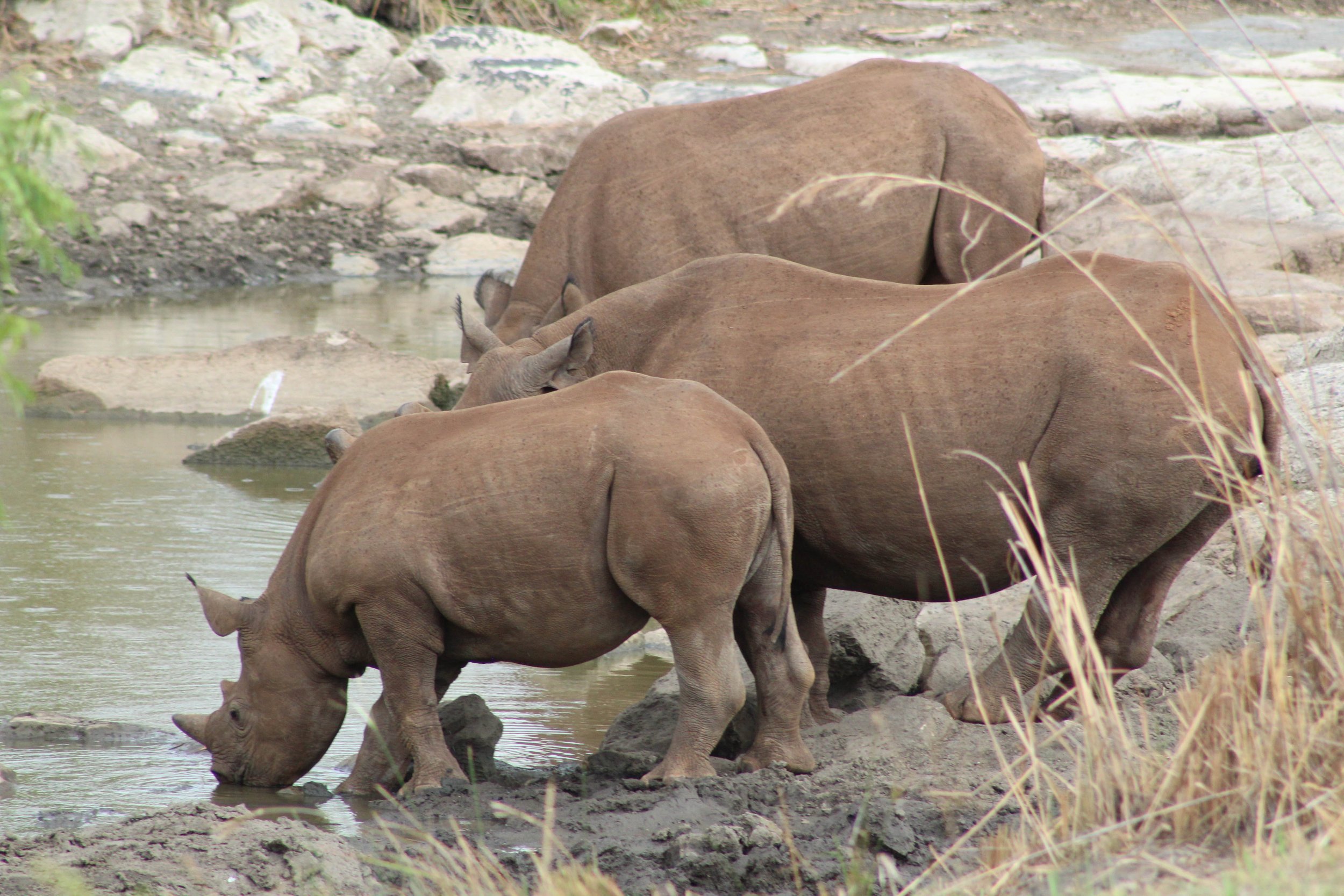
Ngorongoro Crater: A collapsed volcanic caldera with one of the highest concentrations of wildlife on earth, home to a resident population of critically endangered black rhino.
Gorilla trekking add-on: Rwanda and Uganda are easy to tack onto an East Africa itinerary. Mountain gorilla trekking is one of the most powerful wildlife experiences out there. I've had clients call it the single best thing they've ever done on a trip. If there's any interest, I always push for it.
A Few Things to Know
East Africa is a safari-first destination. If you want city, wine, or cultural variety on the same trip, you'll need a beach add-on or a different base entirely.
Wildlife is often viewed at a greater distance across the open plains than in South Africa's private reserves.
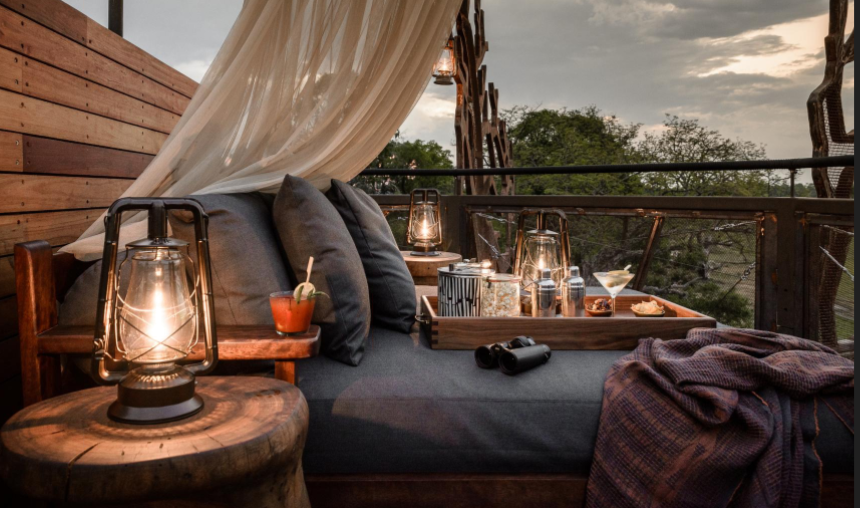
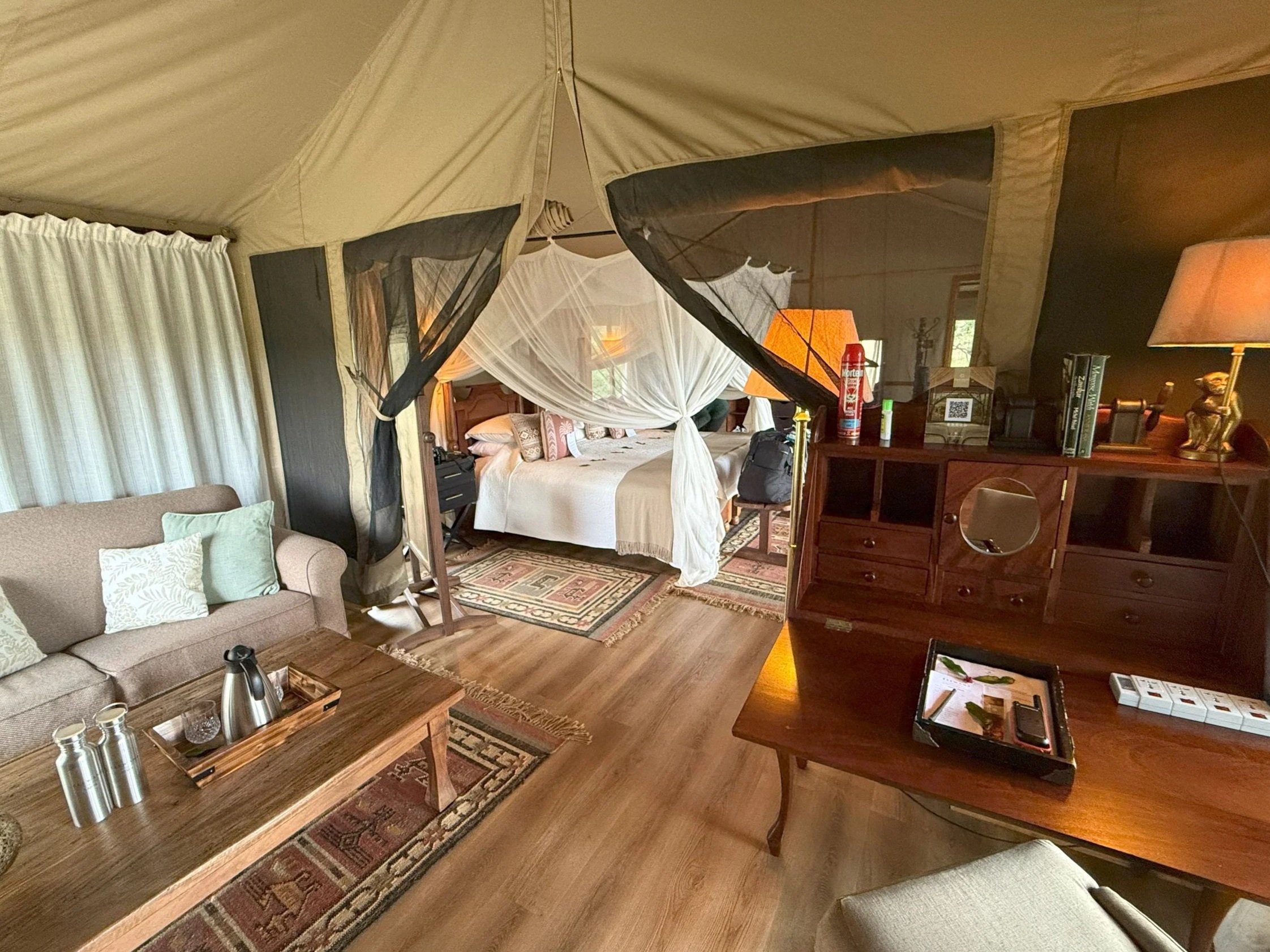
Most camps are classic canvas tented style, which is its own kind of wonderful. Some have outdoor or bucket showers, while others have hardwood floors, running water, full electricity, and wellness elements. This region also has mobile camps that move a few times a year to follow the Migration. These are more basic but still come at a premium because of the positioning and game viewing.
Peak Migration season (usually July through September) means higher rates and more vehicles at the popular river crossings. Know that you will see other people and other vehicles. Migration patterns have been shifting and are no longer perfectly predictable. Sightings are never guaranteed.
Small charter flights between camps are standard and add to both the cost and the experience. If you are not comfortable with single engine/light aircraft, that's worth factoring in before committing to this destination.
Best seasons: June through September is dry season, when grass is low and fewer water sources mean great congregation around waterholes. The long rains from April through May are best avoided. Green season (November through March) offers more attractive rates, greener landscapes, and fewer crowds, though the safari experience is more of a search.
Rhino are not common in the Masai Mara or Serengeti, so if Big 5 is a priority, I'll build that into your routing. There are specific reserves and conservancies where rhino sightings are more reliable.
Best Pairings: East Africa works beautifully with Zanzibar, the Seychelles, Mauritius. or Mozambique as a beach extension. The switch from dusty bush to turquoise water is one of travel's great contrasts. Rwanda gorilla trekking also makes a great addition.
Botswana: Africa's Most Exclusive Safari
If South Africa does everything and East Africa delivers the big wildlife spectacle, Botswana is the one that makes you feel like you have Africa entirely to yourself.
Through a deliberate low-volume, high-value tourism policy, Botswana has protected enormous wilderness areas while keeping visitor numbers low. It's also one of the oldest continuous democracies in Africa, politically stable, safe, and serious about conservation. Those things matter when you're committing to a trip at this level.
I've sent clients here who came back and told me it was the most meaningful trip they've ever taken. Not the flashiest, not the most packed with activities. Just vast, quiet, and deeply grounding in a way that's hard to describe until you've been there. You will not see the crowds like you will in East Africa. Fun fact: my first safari experience was in Botswana for my own honeymoon!
What Makes Botswana Special
Real exclusivity: You will rarely share a sighting with more than one or two other vehicles, and often none at all. If the thought of pulling up to a leopard with 15 other vehicles bothers you, Botswana is the answer.
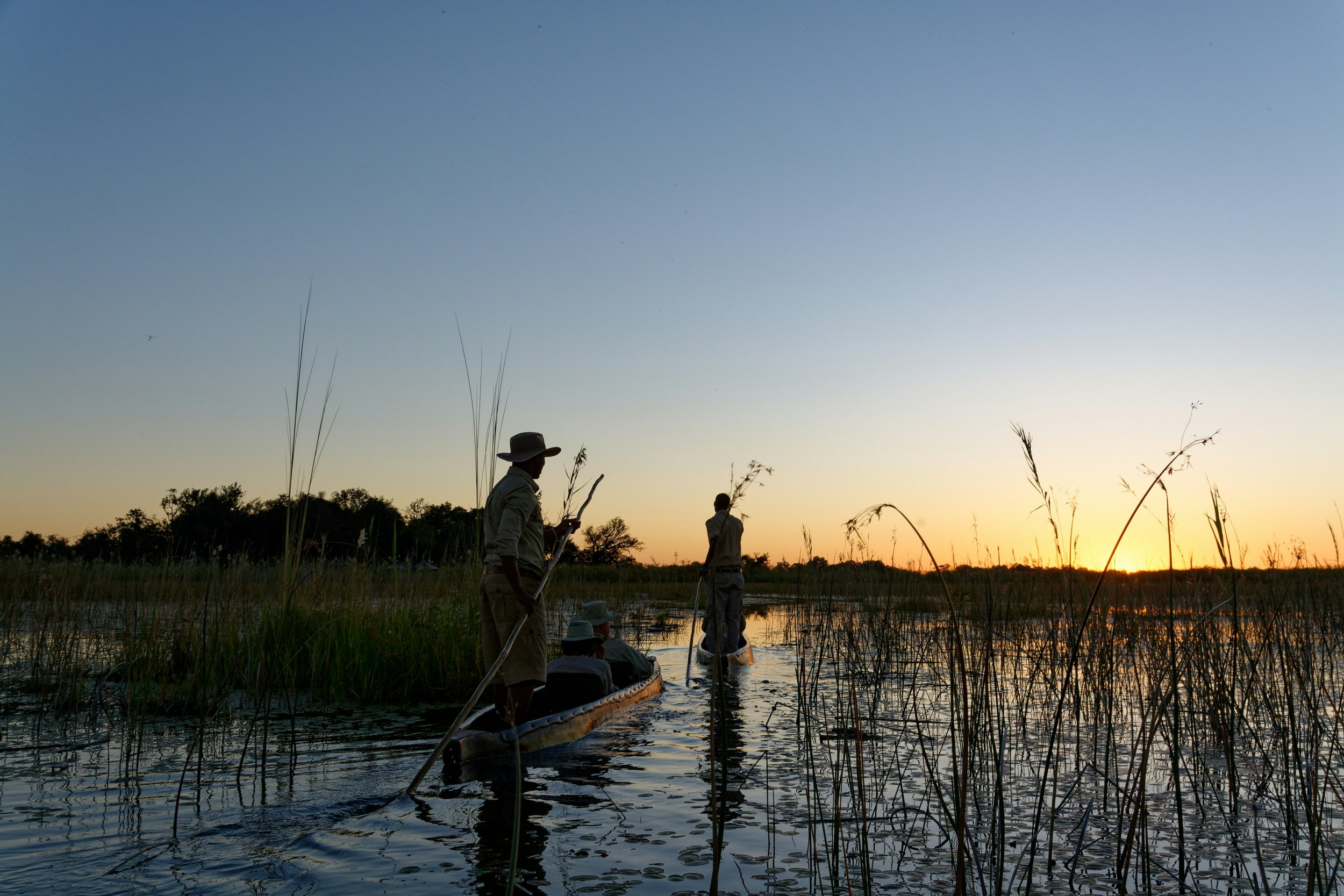
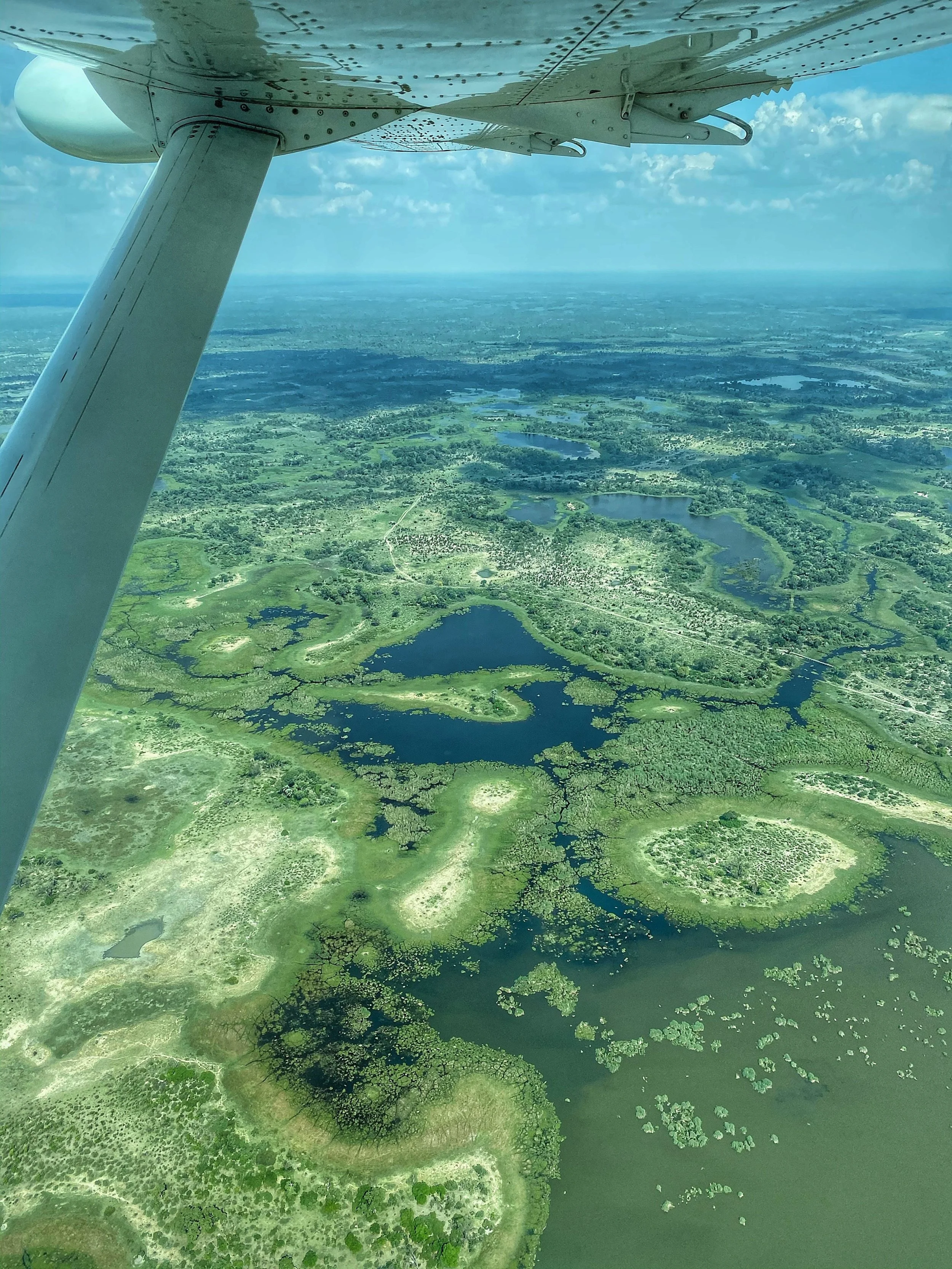
The Okavango Delta: A UNESCO World Heritage Site and one of the most extraordinary ecosystems on earth. It's a vast inland delta in a landlocked country, and you explore it by mokoro (traditional dugout canoe), motorboat, and game vehicle. There's nothing else like it in Africa.
Diversity of landscapes: From the waterways of the Delta to the enormous elephant herds of Chobe, the otherworldly salt flats of the Makgadikgadi Pans, and the Kalahari, Botswana packs in more variety than most countries twice its size.
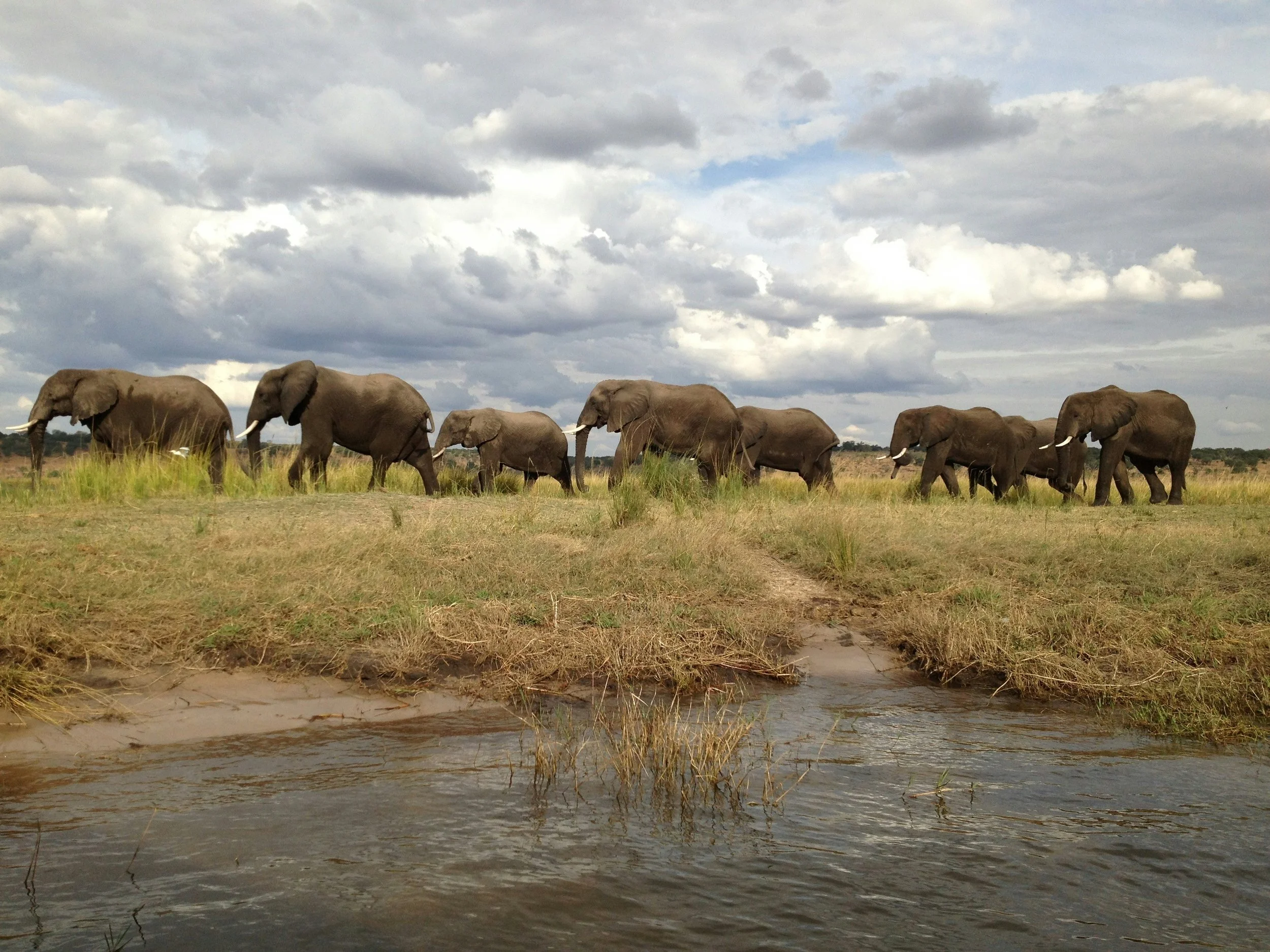
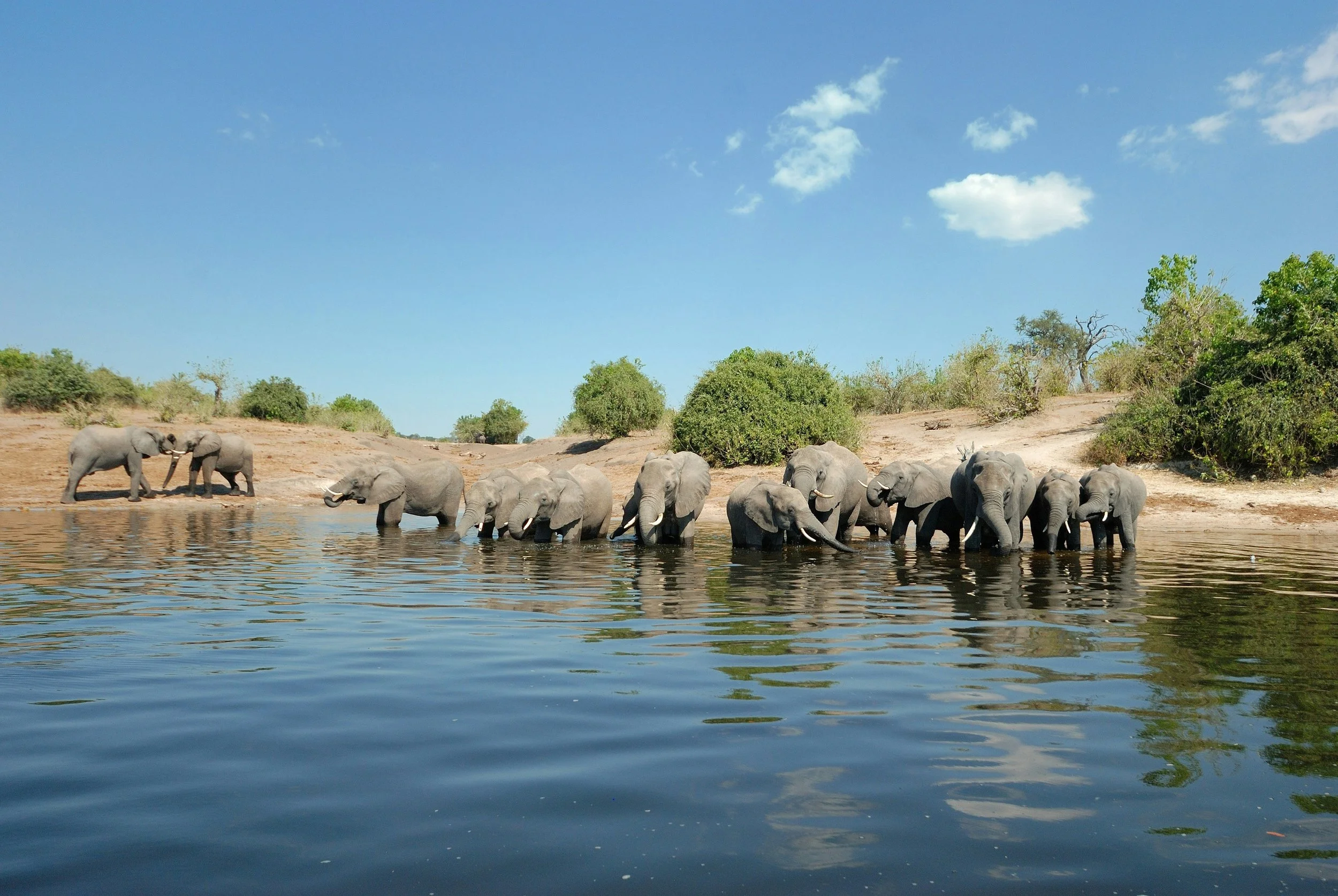
Elephants: Chobe National Park has the largest elephant population in Africa. Watching hundreds of them come down to the Chobe River at sunset from a boat is one of those safari moments that stays with you.
Wild dogs: Botswana is one of the best places on the continent to see African wild dogs, which are rare, fascinating, and deeply worth seeking out. A lot of my clients say the wild dog sighting ended up being their trip highlight.
A Few Things to Know
Botswana is the most expensive of the three. You're paying for exclusivity, and the pricing reflects that.
Safari is the whole focus. There are no cities or wine regions here. Pair it with Victoria Falls or South Africa if variety matters.
It's best experienced across two or three camps in different ecosystems. That adds to the cost but makes an enormous difference to the trip.
Rhino sightings are rare. For reliable Big Five rhino viewing, South Africa is the stronger choice or plan for a special visit to a Rhino Sanctuary.
Many camps have no air conditioning. They run on solar or generator power, and the open-air design is intentional. In the dry season (May through August) this is a non-issue; it can actually get cold at night. Sept – Nov gets hot, so that's good to factor in if you run warm.
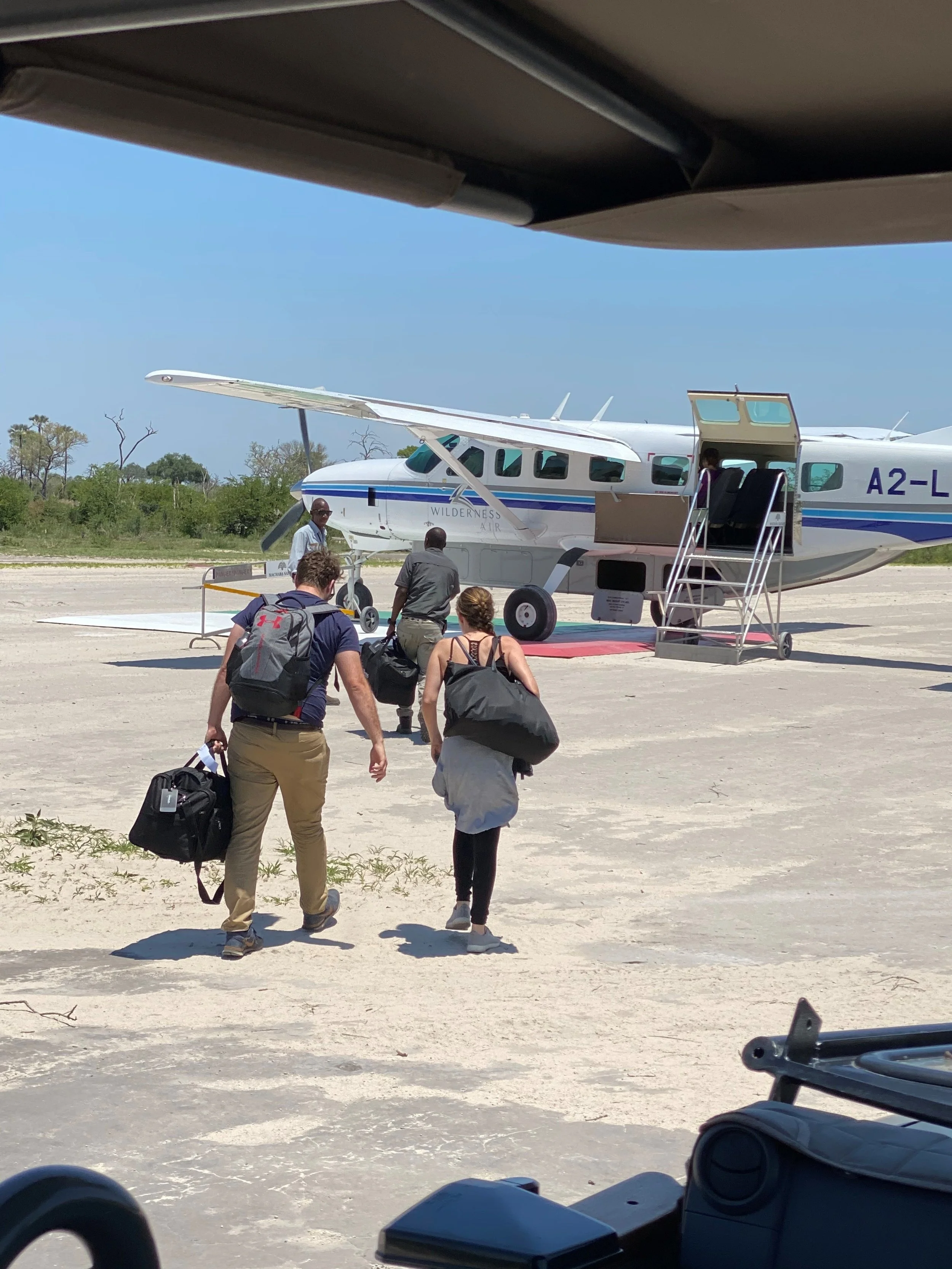
Light aircraft are the way you get around here too.
Best Pairings: Botswana works well with Victoria Falls (2 to 3 nights) or paired with South Africa’s greater Kruger area.
Which Safari Destination Is Right for You?
Choose South Africa if:
This is your first Africa trip and you want more than just wildlife
Close-up animal encounters in private reserves are a priority
You're traveling with family and want a malaria-free option
Cape Town, wine country, and coastline are calling
You want flexibility across a range of accommodation budgets
You want the most accessible entry point into Africa, logistically and culturally
Choose East Africa if:
Wildlife is the whole point of the trip
The Great Migration is on your list
Classic tented camps and open savannah landscapes appeal to you
You want to add gorilla trekking in Rwanda
A beach extension in Zanzibar or the Seychelles sounds like a good finish
Choose Botswana if:
You've been to Africa before and want something more remote and uncrowded
You want sightings with no other vehicles around
The Okavango Delta and water-based safari appeal to you
Budget is not the main constraint
Wild dogs and elephants are high on your list
Still not sure which one fits?
That's what I'm here for. Start a conversation and I'll help you narrow it down. Keep scrolling for FAQs.
Beyond the Big Three: Namibia
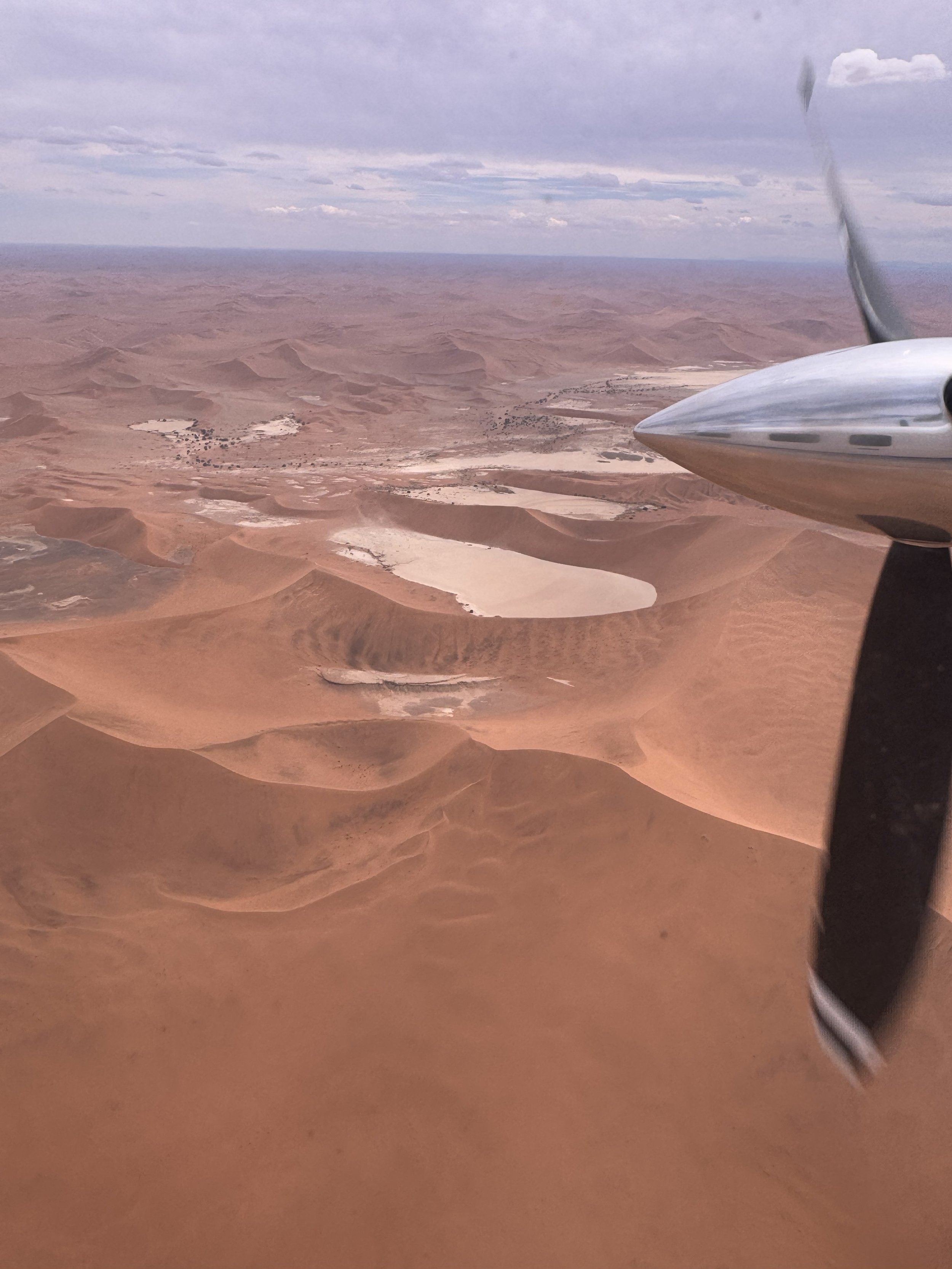
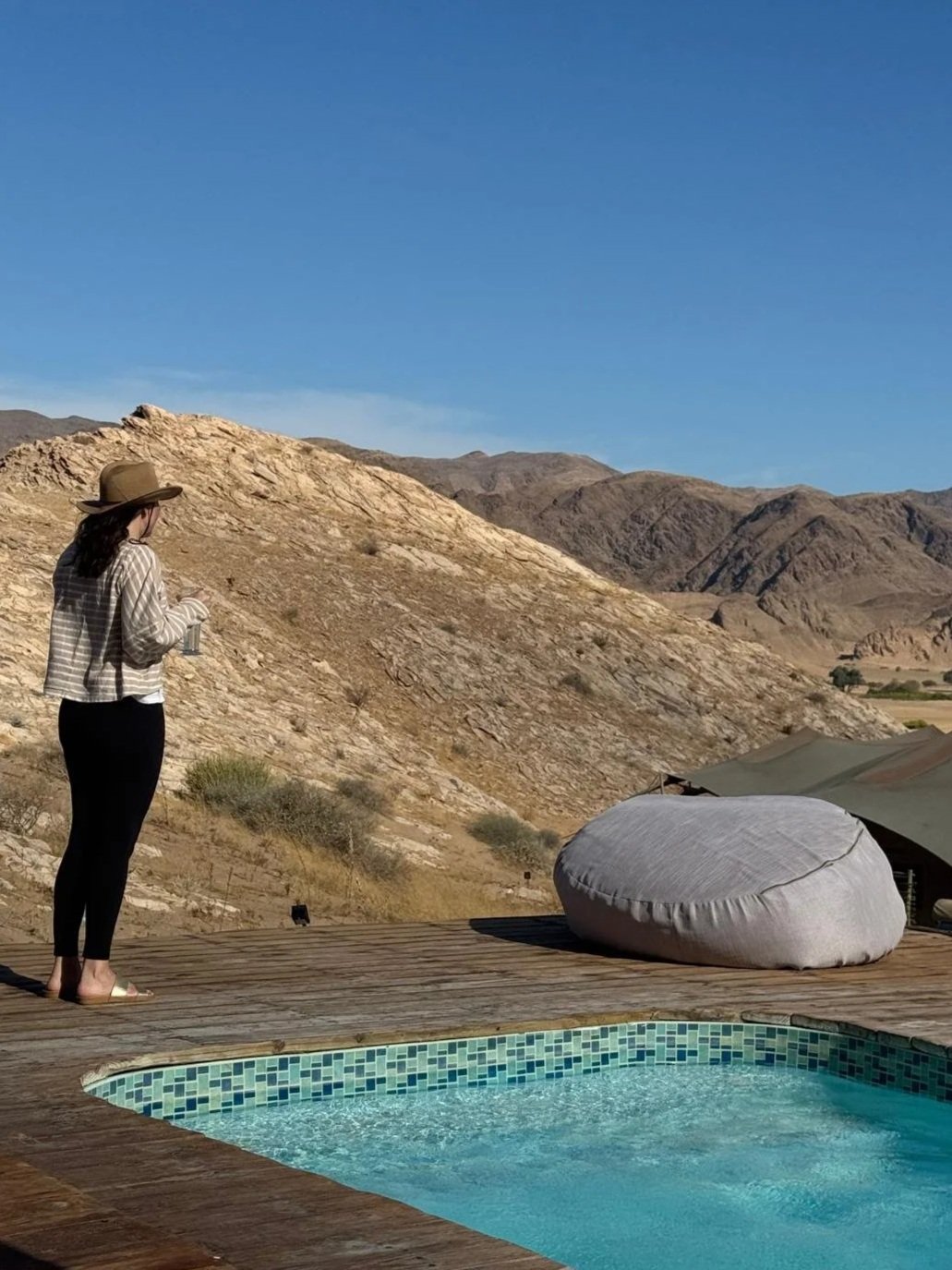
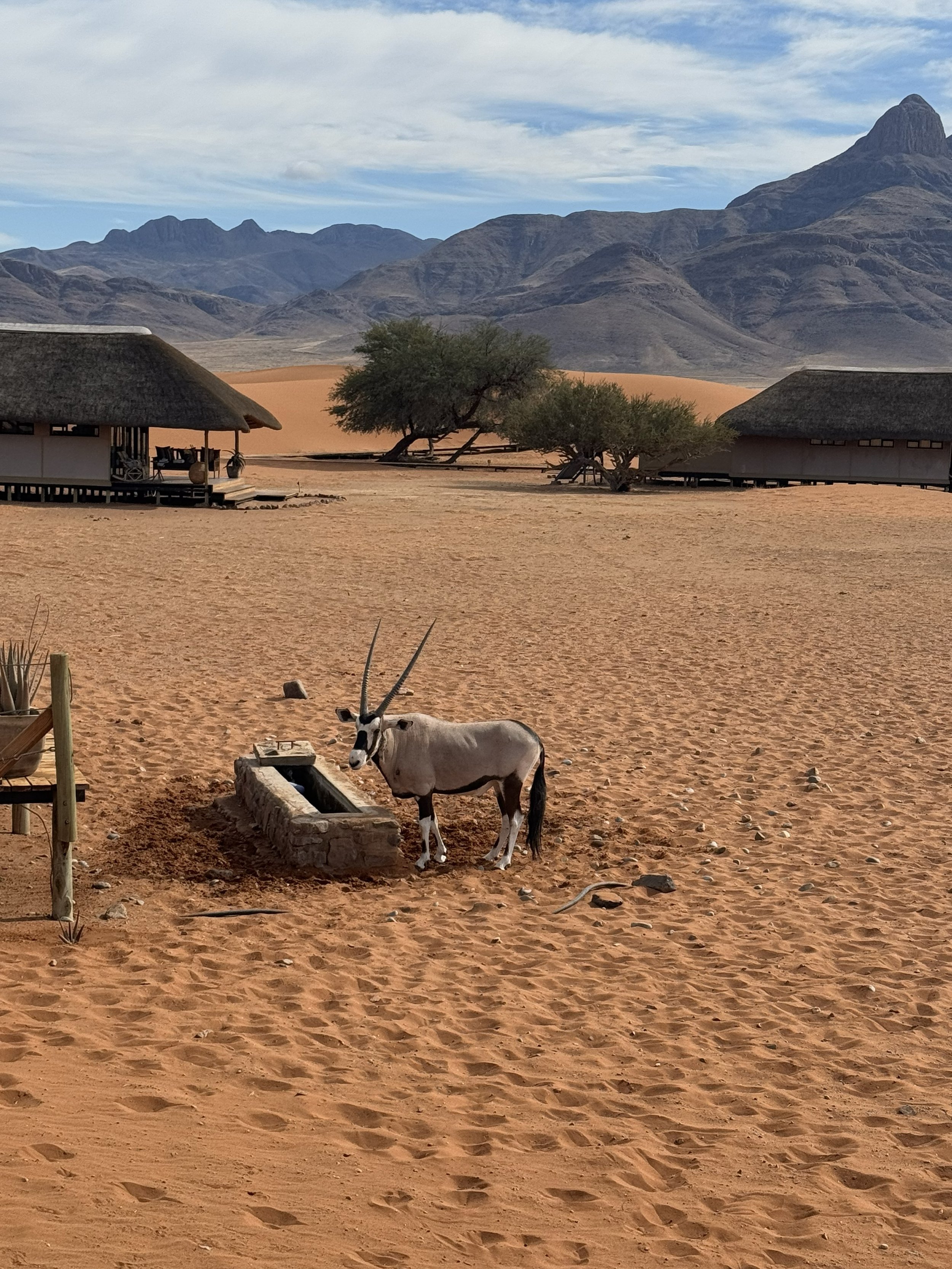
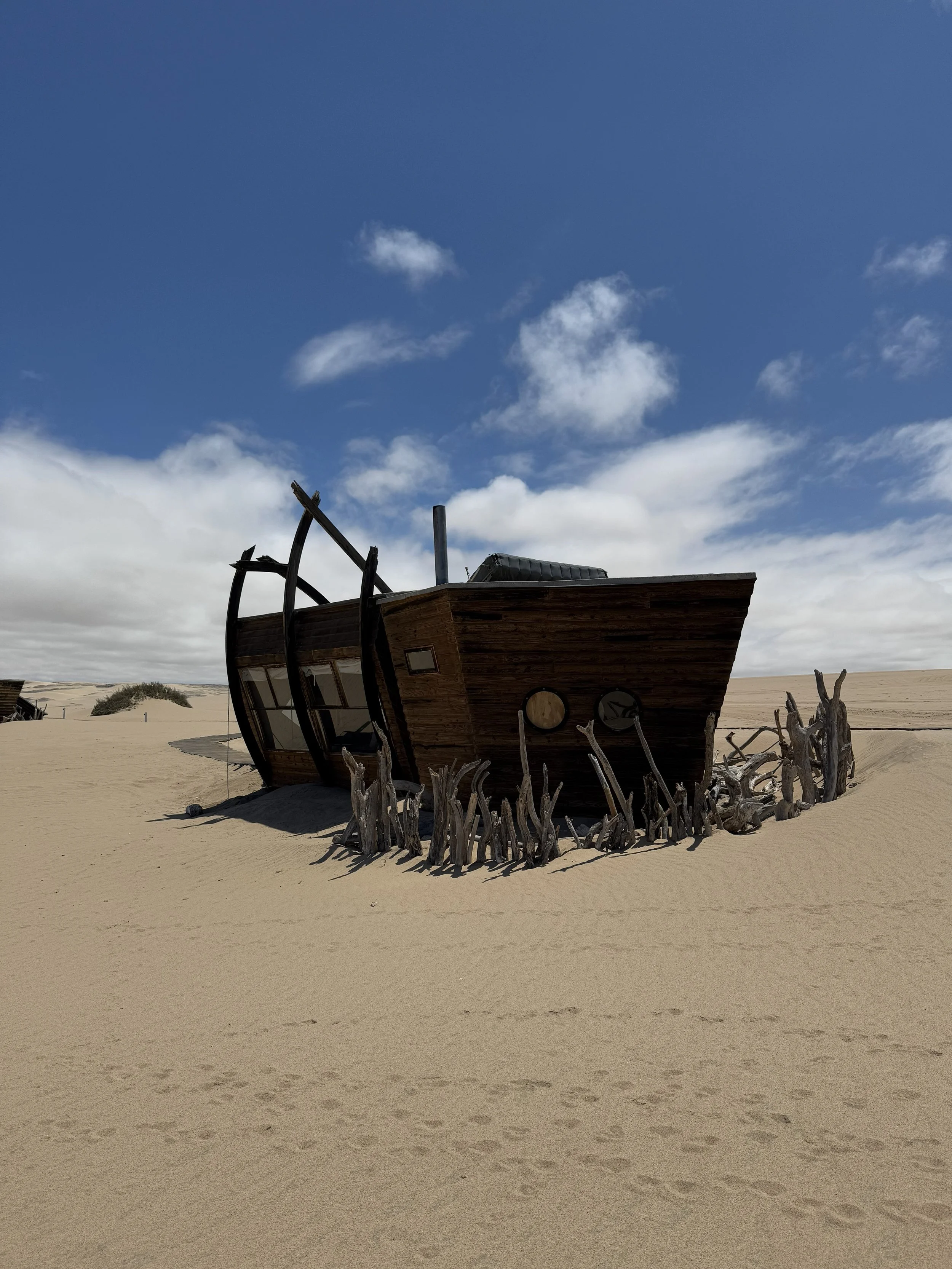
Already done South Africa, East Africa, or Botswana? Namibia is a completely different kind of Africa trip. Think towering red sand dunes, the wild Skeleton Coast, desert-adapted elephants, and some of the most design-forward lodges on the continent. It's less about Big Five game viewing and more about extraordinary landscapes and adventure.
I recently traveled through Namibia and wrote a full guide on it. If you're a repeat Africa traveler looking for something new, it's worth a read.
Read: Namibia Travel Guide: A Luxury Safari & Desert Itinerary
My Favorite Trip Combinations
These destinations work well together, and some of my favorite itineraries combine two or three of them:
Cape Town + Greater Kruger + Victoria Falls (12-14 days): A great introduction to southern Africa. City, wine, close-up Big Five, and one of the world's great natural wonders.
Okavango Delta + Chobe + Victoria Falls (10-12 days): A Botswana circuit ending at the Falls. Wilderness immersion, elephants, wild dogs, and the Delta's waterways.
Masai Mara or Serengeti + Zanzibar (12-14 days): Migration wildlife followed by Indian Ocean beach time. A classic combination for good reason.
Kenya or Tanzania + Rwanda Gorilla Trek (14-16 days): Two of the greatest wildlife experiences on the continent in one trip. If gorillas are on the list, this is how to do it.
Sabi Sands + Okavango Delta (12-14 days): Two of southern Africa's best private wildlife destinations back to back. A favorite for returning Africa travelers.
Any Safari + Seychelles or Mozambique (add 5-6 nights): Bush, then barefoot luxury beach paradise. It never misses.
What to Pack for Safari
Safari packing is its own art form. Lightweight neutrals, layers for chilly mornings or evenings, a good sun hat, and the acceptance that everything you own will get dusty. Most luxury camps offer complimentary laundry, which helps.
I put together a full list of my go-to travel essentials (the stuff I actually use) that covers safari and beyond.
Frequently Asked Questions About Safari
Do I need a travel advisor for an Africa safari?
You don't have to, but I'd strongly recommend it. Africa trips involve a lot of moving pieces: internal flights, camp availability, seasonal timing, luggage restrictions, visa requirements, and health considerations. The best camps book out ~9 to 12 months in advance, and the difference between a good guide and a great one can define your entire experience. I've spent years building relationships with the top properties and operators, and I handle all of the logistics so you don't have to.
What is the best African safari destination for first-timers?
South Africa. It offers the widest range of experiences (safari, cities, wine, coastline), has malaria-free reserve options for families, and the private game reserves in areas like Sabi Sands give you incredibly close wildlife encounters. It's the most well-rounded introduction to Africa.
How much does a luxury safari in Africa cost?
It depends on the destination, time of year, and level of accommodation. As a general range, a well-planned safari runs roughly starts at $1,000 to $2,500+ per person per night, and that includes meals, drinks (local beer/wine/spirits), game drives, and park fees. Botswana tends to sit at the higher end, South Africa offers the widest spread, and East Africa falls somewhere in between. Keep in mind, these are starting points. Ultra lux lodges rates start at 3k-7k+ per person per day. There are some exclusive use safari lodge options available as well. Many luxury camps have wellness components included (pools, plunge pools, yoga, sound bath, massage services). Flights within Africa, international airfare, and any add-ons are separate. I build out full trip budgets for my clients so there are no surprises.
How far in advance should I book?
I am often booking 12-18 months out. Most lodges are small so the earlier the better for more choices, especially if you need multiple rooms.
Can I do a safari with my kids?
Yes, with the right planning. South Africa is typically my top recommendation for families with younger children because of malaria-free reserve options and properties that welcome kids with specific programming. Some camps in East Africa and Botswana have age minimums (often 6 or 8, sometimes 12), so it's important to plan around that. I always match families with the right properties based on the ages of their kids. Some lodges have kids camps and babysitting services.
When is the best time to see the Great Migration?
The Migration is a year-round cycle, but the most dramatic moments (the famous river crossings) typically happen between July and October in the northern Serengeti and Masai Mara. January through March is calving season in the southern Serengeti, which is equally incredible and far less crowded. Patterns have been shifting in recent years, so timing requires some flexibility and a good advisor watching the conditions.
What is a typical day like?
Two game drives per day, early morning (around 5:30am) and late afternoon, timed to when animals are most active. Each runs roughly 3-5 hours with a bush coffee stop in the morning and sundowners in the evening. Midday is yours. After lunch, most guests nap, sit by the pool, get a massage, or catch up on emails. Most camps have Wi-Fi, though reliability varies. Dinner is usually around the fire with your guide, then early to bed to do it all again.
How physically demanding is it?
While I consider this an adventurous trip, there isn't much required physical activity while on safari. You're primarily in a vehicle. Some lodges in private concessions offer walking safaris, guided bush walks, or horseback riding (you'll need to be experienced and are often tested beforehand), but those are all optional.
What is the difference between safari in the National Parks vs. Private Conservancies and Concessions?
National parks have stricter rules. You stay on designated roads, no off-roading, and game drives typically end at dusk. You're also sharing the park with other vehicles, which becomes noticeable at a big sighting.
Private concessions operate differently. Fewer vehicles, the flexibility to go off-road, night drives, and bush walks with a guide. The experience is more immersive and the access is better. Many are unfenced, so animals move freely between the concession and the park.
National parks are still incredible. The rules exist because they're shared public land, and the wildlife doesn't know the difference between the two anyway.
Is Botswana worth the price?
If exclusivity and remoteness are what you're after, yes. Botswana's high-value, low-volume approach means fewer tourists, private sightings, and vast wilderness that feels completely untouched. It's not the right fit for every traveler or every trip, but for those who prioritize that kind of experience, it delivers.
Ready to Start Planning?
Africa trips require real planning. The right camp, the right timing, the right guide. Whether this is your first safari or you're ready to go deeper, reach out and let's figure out what makes sense for you.
Password: VIPtravelbylindsay
Lindsay is a luxury travel advisor and founder of Travel by Lindsay (now Wyngate Travel), based in the Chicago area. Africa is her favorite continent to plan, and she's always happy to talk safari. Reach her at deevy@wyngatetravel.com.